What to Wear on Safari in Tanzania: A Complete Packing Guide
Knowing what to wear on safari in Tanzania can make a big difference to your comfort and enjoyment during your trip. From early-morning game drives in the Serengeti to walking safaris, mountain adventures and relaxing days on Zanzibar’s beaches, choosing the right clothing helps you prepare for different weather conditions and activities.
The most important things to consider are comfort, practicality and the climate of your destinations. Safari days can involve long hours in a vehicle, outdoor activities and changing temperatures. Therefore, pack lightweight, breathable clothing for warm days and a few warm layers for chilly mornings and evenings.
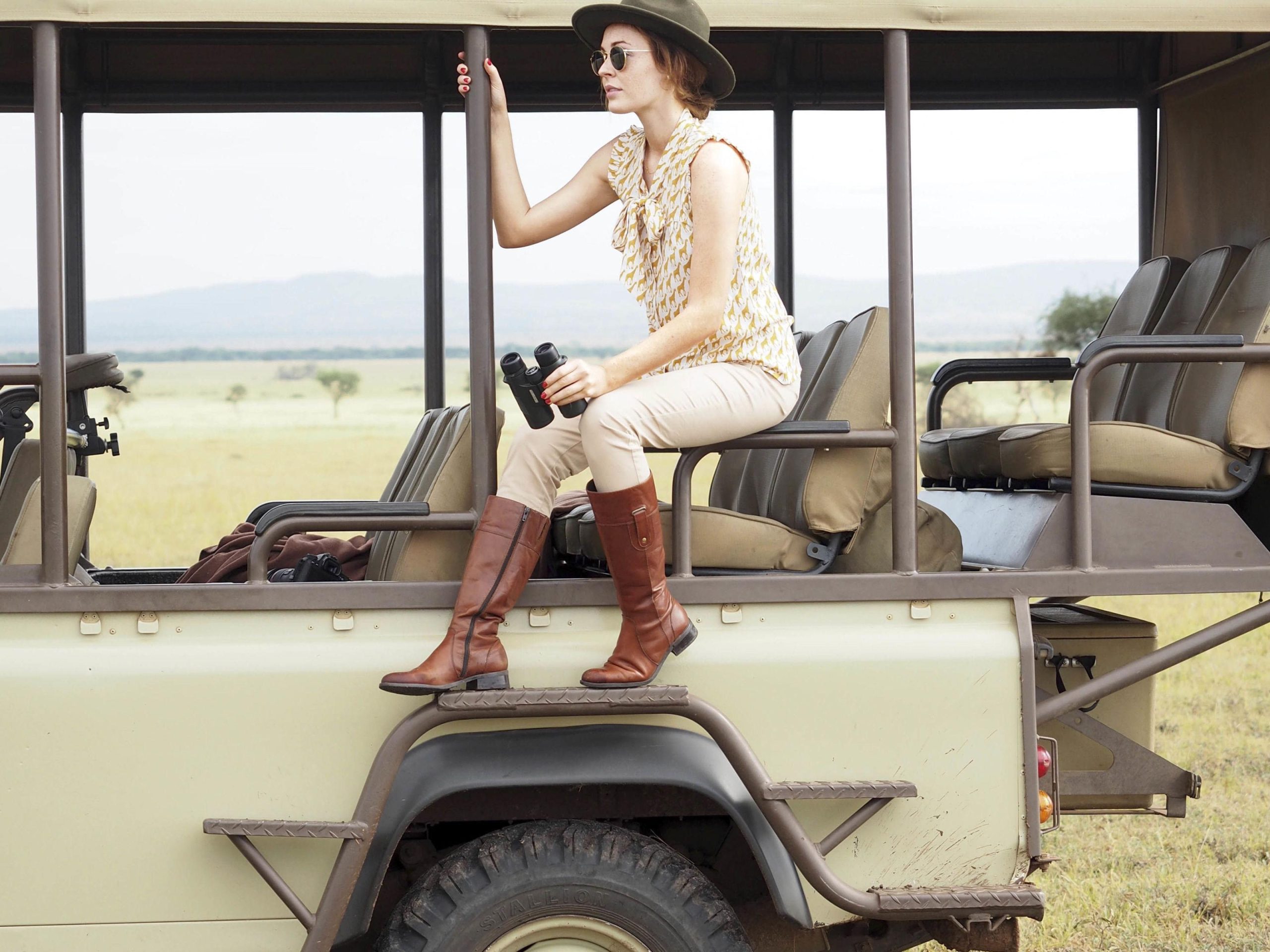
Neutral colours such as khaki, beige, brown, olive green and other earthy tones are popular choices for safari clothing. It is also advisable to avoid dark blue and black clothing in areas where tsetse flies are common, as these colours can attract them.
In this guide, we explain what to pack for a Tanzania safari, including suitable clothing, footwear and accessories for different seasons, destinations and activities.
1. What to Wear According to Tanzania’s Weather Conditions
Tanzania experiences different weather conditions throughout the year. Although the country has a tropical climate in many areas, temperatures and rainfall vary depending on the season, altitude and destination.
For safari travellers, it is important to prepare for both warm daytime temperatures and cooler mornings and evenings.
Dry Season (June to October)
The dry season is generally one of the most popular periods for wildlife safaris in Tanzania. Rainfall is limited in many safari destinations, and wildlife viewing can be particularly rewarding as animals gather around available water sources.
Daytime temperatures can be warm, especially in the lower-altitude national parks. However, early-morning game drives may still feel chilly.
For daytime activities, consider packing:
- Lightweight T-shirts and breathable tops.
- Long-sleeved shirts for sun and insect protection.
- Lightweight trousers or convertible safari pants.
- Comfortable shorts for relaxing at your lodge.
- A wide-brimmed hat or cap.
- Sunglasses and sunscreen.
- Comfortable walking shoes or sandals.
For early mornings and evenings, bring a light fleece, sweater or jacket.
Wet Season (November to May)
Tanzania has two main rainy periods: the short rains, generally around November and December, and the long rains, usually from March to May. The timing and intensity of rainfall can vary from year to year and between regions.
During this period, some safari roads and outdoor areas can become muddy. It is therefore useful to pack clothing that dries quickly and footwear suitable for wet conditions.
Recommended clothing includes:
- Lightweight, quick-drying shirts.
- Comfortable long trousers.
- A lightweight waterproof jacket or raincoat.
- A waterproof poncho for unexpected showers.
- Comfortable socks.
- A warm fleece or sweater for cooler mornings.
- Waterproof or water-resistant walking shoes.
- A lightweight hat for sun protection.
If you are visiting higher-altitude destinations such as Ngorongoro, Karatu or Arusha, pack additional warm clothing because temperatures can be noticeably cooler.
2. What to Wear in Different Tanzania Destinations
Your clothing choices should also depend on the places you plan to visit. Tanzania offers a variety of destinations, from wildlife-rich national parks to tropical islands and mountain environments.
Northern Tanzania Safari Destinations
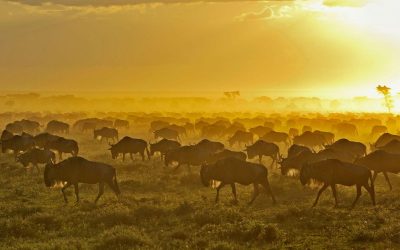
The Northern Safari Circuit includes famous destinations such as Serengeti National Park, Ngorongoro Conservation Area, Tarangire National Park, Lake Manyara National Park and Arusha National Park.
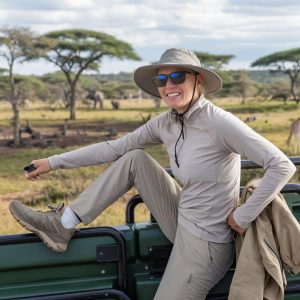
For most game drives, comfortable and breathable clothing is ideal. Neutral colours such as khaki, beige, olive green and brown are practical choices.
Consider packing:
- Neutral-coloured T-shirts and shirts.
- Lightweight safari trousers.
- A warm jacket for early-morning game drives.
- Comfortable closed shoes.
- A hat and sunglasses.
- Sunscreen and insect repellent.
Remember that temperatures can change considerably between destinations, particularly when travelling from lower-altitude parks to the Ngorongoro Highlands.
Zanzibar and Tanzania’s Coastal Destinations
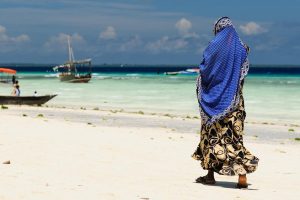
If your itinerary includes Zanzibar or other coastal destinations, pack lightweight clothing suitable for warm and humid weather.
Zanzibar is also culturally diverse, and modest dressing is appreciated in local communities and public areas, particularly outside beach resorts.
Suitable clothing includes:
- Lightweight T-shirts and shirts.
- Linen or cotton trousers.
- Knee-length shorts.
- Loose-fitting dresses and skirts.
- Comfortable sandals or sneakers.
- Swimwear for hotel pools and appropriate beach areas.
- A light cover-up for visiting towns and villages.
When visiting Stone Town, local communities or religious sites, choose clothing that covers your shoulders and knees.
Mountain Destinations
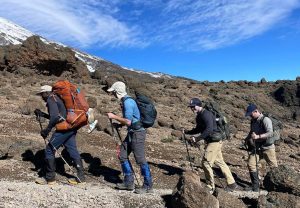
If your adventure includes Mount Kilimanjaro, Mount Meru or Ol Doinyo Lengai, your clothing requirements will be different from those of a traditional wildlife safari.
Mountain temperatures can drop significantly as you gain altitude. Proper layering is essential, particularly for high-altitude trekking.
For mountain activities, consider:
- Moisture-wicking base layers.
- Warm fleece or insulating layers.
- Waterproof and windproof outerwear.
- Proper hiking trousers.
- Comfortable, well-fitted hiking boots.
- Warm socks.
- Gloves and a warm hat.
- A suitable backpack.
For Kilimanjaro and other multi-day climbs, follow your tour operator’s detailed equipment checklist.
3. What to Wear for Different Safari Activities
Tanzania offers several outdoor activities, and each may require different clothing and footwear.
Game Drives
Game drives are among the most popular safari activities in Tanzania. They usually involve spending several hours inside a safari vehicle while exploring national parks and observing wildlife.
For a comfortable game drive, wear:
- Lightweight trousers or shorts.
- Breathable T-shirts or long-sleeved shirts.
- Comfortable shoes.
- A hat or cap.
- Sunglasses.
- A light jacket for early mornings.
Neutral colours are generally recommended, especially for activities outside the vehicle.
Walking Safaris
Walking safaris bring you closer to nature and require practical clothing that allows you to move comfortably.
Wear long trousers, a breathable long-sleeved shirt, comfortable walking shoes or hiking boots, and socks. A hat and insect repellent are also useful.
Always follow your professional walking guide’s instructions and recommended clothing requirements.
Mountain Hiking
Mountain hiking requires more specialised clothing than ordinary game drives.
Choose comfortable hiking boots with good grip, moisture-wicking clothing and suitable insulating layers. Carry waterproof clothing because mountain weather can change quickly.
Beach Activities
For beach activities in Zanzibar, Pemba or Mafia Island, lightweight clothing and swimwear are suitable for the beach and swimming areas.
You may also want to pack sandals, sunglasses, sunscreen and a light cover-up for travelling between the beach and nearby towns.
4. Essential Safari Clothing and Accessories for Men and Women
There is no strict clothing rule that separates men’s and women’s safari outfits. The best choices depend on personal comfort, weather conditions and the activities included in your itinerary.
However, the following items can help you prepare.
Clothing for Women
Women travelling on safari may consider packing:
- Comfortable T-shirts and tops.
- Lightweight safari trousers.
- Breathable shirts and blouses.
- Comfortable shorts for suitable activities.
- Underwear and sleepwear.
- A warm sweater or jacket.
- A lightweight dress for relaxing at the lodge.
- Swimwear for beach and swimming activities.
Clothing for Men
Men travelling on safari may consider packing:
- Comfortable T-shirts.
- Lightweight shirts.
- Safari trousers or cargo pants.
- Shorts for relaxing at the lodge.
- Underwear and sleepwear.
- A warm sweater or jacket.
- Swimwear for beach activities.
Essential Accessories for Everyone
In addition to clothing, consider carrying these useful items:
- Wide-brimmed hat or cap.
- Sunglasses.
- Sunscreen.
- Insect repellent.
- Comfortable walking shoes.
- Sandals or flip-flops.
- Reusable water bottle.
- Small daypack.
- Rain jacket or poncho.
- Camera and spare batteries.
5. Practical Tips for Packing for a Tanzania Safari
Before travelling, consider these simple tips to make packing easier:
- Choose neutral colours: Khaki, beige, brown and olive green are practical safari clothing colours. Avoid dark blue and black in areas where tsetse flies are common.
- Prioritise comfort: Choose breathable fabrics and clothing that allows you to sit, walk and move comfortably.
- Pack in layers: Temperatures can change between daytime, early mornings and evenings. Carry a light jacket or fleece.
- Choose comfortable footwear: Closed shoes are useful for walking and outdoor activities, while sandals are suitable for relaxing at your accommodation.
- Pack light: Avoid bringing too many clothes. Many safari lodges and camps offer laundry services, although availability and charges vary.
- Prepare for rain: A lightweight waterproof jacket is useful, especially during the rainy seasons.
- Respect local customs: If visiting Zanzibar or local communities, pack modest clothing suitable for cultural and religious settings.
Frequently Asked Questions About What to Wear on Safari in Tanzania
What colours should I wear on a Tanzania safari?
Neutral and earthy colours such as khaki, beige, brown and olive green are popular choices. Avoid wearing dark blue and black in areas where tsetse flies are common because they can attract these insects.
Can I wear shorts on a Tanzania safari?
Yes. Shorts are generally comfortable for warm daytime conditions and relaxing at safari lodges. However, lightweight long trousers are also useful for sun protection and protection against insects and vegetation.
Do I need warm clothes for a Tanzania safari?
Yes. Even when daytime temperatures are warm, early mornings and evenings can be cold, especially in higher-altitude areas such as Ngorongoro and Karatu. Pack a fleece, sweater or light jacket.
What shoes should I wear on a Tanzania safari?
Comfortable closed shoes or walking shoes are suitable for most game drives and general safari activities. Hiking boots are recommended for walking safaris and mountain trekking, depending on the activity and terrain.
What should I wear in Zanzibar?
Lightweight and breathable clothing is ideal for Zanzibar’s warm coastal climate. Swimwear is suitable for beaches and swimming areas. When visiting Stone Town and local communities, dress modestly by covering your shoulders and knees.
What should I pack for a Kilimanjaro climb?
Kilimanjaro requires specialised mountain clothing, including moisture-wicking base layers, insulating layers, waterproof outerwear, hiking trousers, warm socks, gloves and proper hiking boots. Your mountain tour operator should provide a complete packing checklist.
Plan Your Tanzania Safari with Gundua Africa Adventures
Preparing the right clothing is an important part of enjoying your Tanzania adventure. Whether you are planning wildlife game drives in the Serengeti, exploring the Ngorongoro Crater, climbing Mount Kilimanjaro or relaxing on Zanzibar’s beaches, packing appropriately will help you travel comfortably.
At Gundua Africa Adventures, we can help you plan an unforgettable Tanzania experience based on your destinations, travel dates and preferred activities.
Contact us to start planning your next adventure in Tanzania!